
Exploring the psychology behind high-stakes gambling decisions
The Allure of High-Stakes Gambling
The world of high-stakes gambling holds a unique allure, drawing in players with the promise of enormous payouts and thrilling experiences. This attraction often stems from a combination of factors, including the excitement of risk-taking and the potential for life-changing financial rewards. For many gamblers, the adrenaline rush associated with betting large sums can create an intoxicating atmosphere that outweighs the possible negative consequences. Here at pokiesurf-au.com, we explore this psychological phenomenon encourages individuals to delve deeper into the gambling world, often leading them to make decisions that defy logical reasoning.

Moreover, high-stakes environments, such as exclusive casinos and high-limit poker rooms, foster a sense of exclusivity and status. Players often feel a heightened sense of importance when they are involved in high-stakes games, which can amplify their desire to engage in riskier behaviors. This feeling of prestige is not only about financial prowess but also about social recognition. Players may be driven to participate in high-stakes gambling to gain respect and admiration from their peers, further complicating their decision-making processes.
Additionally, the thrill of high-stakes gambling can evoke a powerful emotional response. The excitement, combined with the fear of loss, often leads players to act impulsively. This heightened emotional state can cloud judgment and push individuals to take risks they might typically avoid. As such, understanding the underlying psychological motivations is crucial in deciphering why individuals choose to gamble at high stakes, often placing themselves in precarious situations.
Cognitive Biases and Decision-Making
Cognitive biases play a significant role in the decisions high-stakes gamblers make. One prevalent bias is the illusion of control, where players believe they have more influence over the outcome of a game than they actually do. This can manifest in the form of rituals or superstitions that players believe will improve their chances of winning. For instance, a gambler might have a specific routine they follow before placing a bet, convinced that this will lead to better results. Such biases can lead to an overestimation of one’s gambling abilities, often resulting in larger bets and more significant risks.
Another common cognitive bias among gamblers is the gambler’s fallacy, the belief that past events influence future outcomes in games of chance. For example, a player might think that a slot machine is “due” for a win after a series of losses. This misconception can lead to poor decision-making, as gamblers may increase their stakes, hoping that their luck will turn. Such cognitive distortions reveal how irrational thinking can drive individuals to make high-stakes decisions without a realistic assessment of their chances.
Additionally, the availability heuristic influences gamblers’ choices. This psychological principle suggests that people rely on immediate examples that come to mind when evaluating the probability of an event. If a player hears about someone winning a substantial jackpot, they may overestimate their own likelihood of winning, prompting them to gamble more. This cognitive shortcut can skew their perception of reality, leading to greater financial risks and impulsive gambling behaviors.
The Role of Emotions in Gambling Choices
Emotions play a vital role in shaping gambling decisions, particularly in high-stakes situations. The thrill of winning can lead to a euphoric state, often referred to as “the gambler’s high.” This emotional high can create a feedback loop, reinforcing the desire to gamble more, even in the face of substantial losses. Gamblers may chase this feeling, leading them to make increasingly risky decisions to recapture that rush, often disregarding the potential consequences of their actions.
Conversely, negative emotions such as anxiety and frustration can also drive decision-making in high-stakes gambling. When players experience losses, they may feel a compulsion to continue playing in hopes of recovering their losses. This behavior, known as loss chasing, can lead to irrational decision-making and increased financial risk. The emotional rollercoaster inherent in gambling can cloud judgment, pushing individuals to place larger bets than they initially intended.
Moreover, the social dynamics within a high-stakes environment can amplify emotional responses. The presence of onlookers or fellow gamblers can heighten feelings of pressure and competition. Gamblers may feel they need to perform or act confidently, leading them to make decisions based on perceived social expectations rather than rational considerations. Understanding the interplay between emotions and decision-making can shed light on why individuals are drawn to high-stakes gambling and the risks they are willing to take.
Responsible Gambling and Awareness
As the allure of high-stakes gambling continues to attract players, the importance of responsible gambling practices cannot be overstated. Awareness of the psychological factors influencing gambling decisions is a crucial step in fostering healthier gambling habits. Players need to recognize their cognitive biases, emotional triggers, and the risks associated with high-stakes environments. This understanding can empower individuals to make more informed choices, ultimately leading to a more balanced approach to gambling.
Many gambling establishments now offer resources and support for players seeking to maintain responsible gambling habits. These resources often include self-exclusion programs, gambling limits, and access to counseling services. By promoting awareness and providing tools for moderation, the gambling industry can help mitigate the negative impacts associated with high-stakes gambling. Encouraging players to take breaks and set limits can promote a healthier gambling environment.
Ultimately, fostering an understanding of the psychology behind gambling decisions is essential for both players and the gaming industry. By addressing the emotional and cognitive aspects of gambling, individuals can make more rational decisions and reduce the likelihood of developing harmful gambling behaviors. Education and awareness will be key components in promoting responsible gambling and ensuring that players can enjoy the excitement of high-stakes games without succumbing to the associated risks.
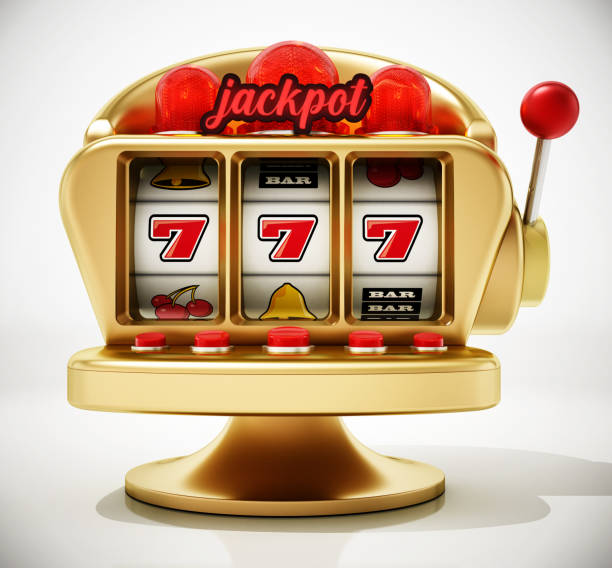
Discover Your Gaming Journey at PokieSurf Casino
At PokieSurf Casino, we understand the complexity of high-stakes gambling and the psychological factors that influence player behavior. Our platform is designed to provide a safe and enjoyable gaming experience, catering to players of all levels. With an extensive selection of premium pokies and engaging games, we aim to create an environment where players can explore their gambling desires responsibly.
We prioritize transparency and fairness, ensuring that every player can trust the integrity of their gaming experience. Our commitment to responsible gambling means we offer resources and support for players, helping them maintain control over their gaming choices. With swift payouts and generous bonuses, PokieSurf Casino is dedicated to enhancing your gaming journey while keeping player well-being at the forefront.
Join our vibrant community at PokieSurf Casino today and embrace the thrill of gaming in a secure environment. Whether you’re a seasoned player or just starting, our platform is designed to elevate your gaming experience. Together, we can explore the excitement of high-stakes gambling while fostering responsible gaming habits.